November 3, 2026
Top Reasons People Choose Cosmetic Dentistry Today
By @travishaww678
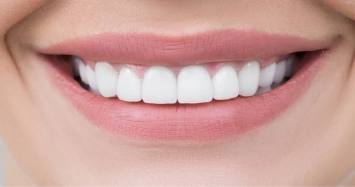
A generation ago, many people viewed cosmetic dental work as a luxury, something reserved for actors, broadcasters, or patients with unusually visible dental problems. That perception has changed. Cosmetic Dentistry now sits much closer to mainstream health care, not because people suddenly became more superficial, but because they have more options, better materials, shorter treatment times, and a clearer understanding of how a smile affects confidence, comfort, and even professional presence.
What draws people in is rarely just vanity. In practice, the decision usually comes from a combination of factors. A patient may want to look more polished in meetings, but also wants to replace an old bonding that stains every few months. Another may ask about whitening because she is getting married, then realize her worn front teeth are what really bother her. Someone else may start with an interest in veneers and end up choosing orthodontic refinement and edge bonding because the conservative route fits better.
That is the reality of modern cosmetic care. It is personal, often practical, and more nuanced than the phrase "smile makeover" suggests.
The smile has become more visible than ever
One major reason people seek cosmetic dental treatment now is simple exposure. Faces are constantly on display. Video calls, front-facing phone cameras, high-definition photos, and social media have changed how often people see themselves. Years ago, most people caught their reflection in a mirror and perhaps in occasional photographs. Now they see close-up images of their own teeth several times a day.
That repeated visibility changes perception. Small issues that once went unnoticed, mild discoloration, uneven edges, tiny chips, spacing, begin to feel more prominent. Sometimes patients are being overly critical, and a good dentist helps put that in perspective. But just as often, those concerns are legitimate and treatable with modest work rather than extensive reconstruction.
Video meetings have had an especially strong effect. People notice asymmetry in the front teeth, dark triangles near the gumline, or an older crown that no longer matches. It is not unusual for someone to say, "I never paid attention until I started seeing myself on screen all day." That kind of observation is not vanity. It is awareness.
Better materials have made cosmetic results more believable
A big shift in Cosmetic Dentistry has come from the quality of the materials. Porcelain restorations today can be extremely lifelike. Modern composites polish better, hold color more reliably, and allow conservative repairs that would have looked obvious twenty years ago. Whitening systems are more controlled than older one-size-fits-all approaches, and digital imaging gives both dentist and patient a clearer preview of likely outcomes.
This matters because many people are not looking for "perfect" teeth. They want natural teeth that happen to look healthier, brighter, or more balanced. The overly opaque, uniformly square smile that once made patients wary of veneers is no longer the standard in most good practices. Skilled cosmetic dentists now spend a great deal of time choosing texture, translucency, and shape so the work blends with the face, age, and personality of the patient.
Patients often come in with a fear of looking artificial. It is one of the most common concerns they voice. When they learn that treatment can be subtle, preserving irregularities that make a smile believable while still improving harmony, they become far more open to it.
People want confidence, not just white teeth
The emotional side of cosmetic care is easy to underestimate. Many patients who seek treatment are not chasing perfection. They are trying to stop thinking about their teeth.
That distinction matters. There is a difference between wanting a brighter smile and wanting relief from self-conscious habits developed over years. Some people cover their mouth when they laugh. Others avoid smiling with teeth in photos. Some speak carefully because they are embarrassed by a chipped incisor or visible discoloration. I have seen patients soften their expressions without realizing it, simply because they learned, over time, not to draw attention to their mouth.
When treatment is done well, the visible result can be modest while the psychological effect is significant. A patient who repairs one fractured front tooth and whitens the surrounding enamel may look only slightly different to others. Yet that patient may smile freely for the first time in years. That is often the real outcome people are paying for.
Cosmetic Dentistry, at its best, does not create a new identity. It removes a distraction.
The line between cosmetic and restorative care is often thin
Many people assume cosmetic treatment is separate from function, but in real practice the two frequently overlap. Worn edges, old fillings, uneven bite patterns, fractures, and enamel erosion are not just aesthetic concerns. They can affect chewing, speech, temperature sensitivity, and long-term tooth stability.
Consider a patient with severe grinding. The immediate complaint may be that the front teeth look short and flat in photos. That concern is cosmetic, but the underlying issue is mechanical wear. Restoring the length of those teeth can improve appearance, but it may also protect the bite, reduce edge chipping, and help redistribute force. Another patient may dislike a dark tooth after root canal therapy. Replacing or covering it improves the smile, yes, but also resolves a material mismatch that could weaken over time if neglected.
This is one reason Cosmetic Dentistry has become more accepted. People understand that replacing failing dental work with something stronger and more attractive is not frivolous. It is responsible treatment with an aesthetic benefit.
Shorter treatment timelines appeal to busy adults
Time matters. People are more willing to pursue treatment when it does not require a year of disruption. Advances in planning, laboratory techniques, aligner therapy, whitening protocols, and adhesive dentistry have made many cosmetic procedures more efficient.
Not every case is quick, and it is important not to oversell speed. Comprehensive bite rehabilitation still takes time. Orthodontic correction done properly is not instant. Gum shaping must heal. Multi-step veneer cases involve planning, provisionals, adjustments, and careful cementation. Still, many common improvements can happen faster than patients expect.
Take edge bonding for small chips and wear. In the right hands, it can often be completed in a single visit. Professional whitening can brighten teeth noticeably in a matter of weeks, sometimes sooner depending on the method and the starting shade. Minor alignment refinement with clear aligners may take months rather than years if the movement is limited. That accessibility changes behavior. Patients who toothworksofbakersfield.com Cosmetic Dentistry would have postponed care indefinitely are more likely to move forward when the process feels manageable.
Weddings, career moves, and life events create momentum
People often decide to improve their smile around a deadline. Weddings are an obvious example, but they are far from the only one. Job interviews, promotions, public-facing roles, reunions, milestone birthdays, divorce recovery, retirement photos, and speaking engagements all create moments when appearance feels newly relevant.
These deadlines can be useful because they turn a vague wish into a decision. A patient may think about whitening or veneers for years and finally act because family portraits are scheduled in four months. Another might address old bonding before launching a business because she wants to feel polished in every introduction and presentation.
There is nothing trivial about that motivation. Important events sharpen priorities. They also help dentists guide treatment realistically. If a patient has six weeks before an event, the best plan may be whitening, contouring, and replacement of one visible restoration rather than a full course of aligners. Good cosmetic planning respects both the calendar and the biology.
Less invasive options have widened the appeal
One reason more people choose Cosmetic Dentistry today is that treatment can be conservative. Not every improvement requires aggressive tooth preparation. This has changed public perception in a meaningful way.
Patients are often relieved to learn that small spaces can sometimes be closed with additive bonding, that enamel reshaping can refine proportions, that whitening may provide the improvement they need without any drilling, or that orthodontic alignment can reduce the need for restorative coverage later. Minimal preparation veneers, while not suitable for every case, have also expanded the range of options for selected patients.
This matters because many people are understandably cautious about irreversible treatment. They do not want healthy teeth cut down unnecessarily. In responsible practice, that caution is respected. The best treatment is not the most dramatic one. It is the one that solves the problem with the least biological cost while still meeting the patient’s goals.
A thoughtful cosmetic dentist will often present multiple paths. One may be ideal from a visual standpoint, another may be more conservative, and a third may fit the patient’s budget or timeline better. Patients appreciate that level of judgment.
Social acceptance has changed, but so has patient taste
It is more socially normal now to say you have had whitening, aligners, bonding, or veneers. Cosmetic work no longer carries the same level of secrecy or stigma. People talk openly about treatment, share recommendations, and compare experiences. That openness lowers barriers for first-time patients.
At the same time, patient taste has matured. Many people are less interested in a uniformly bright, highly manufactured look and more interested in a healthy, age-appropriate appearance. They ask for natural translucency, slightly rounded edges, or color that harmonizes with skin tone rather than the brightest shade available.
That shift is healthy. It encourages restraint. It also rewards clinicians who listen carefully and design treatment around the person rather than around trends. A 28-year-old media professional may want a brighter, cleaner look than a 62-year-old executive who values subtlety. Neither preference is wrong. The point is that cosmetic success depends on matching the dentistry to the individual.
Financial access has improved, even if major cases are still expensive
Cost remains a real barrier, and large cosmetic cases can be substantial investments. That has not changed. What has changed is the range of entry points. Patients can start smaller.
Someone who cannot justify a full veneer case may still afford whitening and selective bonding. A patient with one discolored crown can replace that single unit rather than redoing every visible tooth. Clear aligner treatment for minor crowding may be less costly than patients assume, especially when it prevents more invasive restorative work later. Many practices also offer staged treatment plans, allowing patients to spread care over time.
This flexibility brings more people into the conversation. It also reduces the all-or-nothing mentality that used to keep patients from addressing concerns at all. Cosmetic Dentistry is no longer just a single expensive event. It can be a phased process.
That said, there is a trade-off. Lower-cost cosmetic work is not always the better value if it must be redone repeatedly. Cheap bonding that stains quickly or poorly planned veneers that require replacement too soon can cost more over time. Patients benefit from understanding the likely lifespan, maintenance needs, and limitations of each option rather than shopping by price alone.
Cosmetic treatment often improves oral habits
An underappreciated reason patients choose cosmetic treatment is that it can motivate better self-care. People who invest in their smile usually become more attentive to maintenance. They brush more consistently, keep recall visits, wear their night guard, and become less tolerant of habits that damage the result.
This is not universal, but it is common. A patient who has just completed whitening is often quicker to cut back on tobacco, red wine, or daily dark coffee without rinsing afterward. A patient who has bonded chipped edges may finally address nail biting or pen chewing. Someone who completes aligner treatment may become much more committed to retention because they have seen what is possible.
That positive feedback loop benefits both aesthetics and health. It is one of the reasons cosmetic care can have broader value than people expect.
The most common motivations are usually layered
Rarely does a patient walk in with one isolated reason. More often, several reasons stack up over time until action feels worthwhile. A common pattern looks something like this:
- an old insecurity becomes harder to ignore because of constant photo and video exposure
- the patient learns that treatment is less invasive than expected
- a career or family event creates a deadline
- finances or scheduling finally make care realistic
- the desire for confidence outweighs the fear of dental work
That accumulation is why cosmetic consultations often feel more personal than routine dental appointments. Patients are not just discussing teeth. They are discussing self-image, aging, visibility, and priorities.
Aging plays a larger role than many people realize
As people age, teeth naturally darken, wear, and shift. Enamel thins, exposing more of the warmer dentin beneath. Decades of coffee, tea, wine, smoking, medications, and minor trauma leave marks. Small cracks become more visible. Edges flatten. Teeth that were once aligned can crowd subtly, especially in the lower front.
For many adults, cosmetic treatment is simply a Cosmetic Dentistry response to those accumulated changes. They are not trying to look twenty years old. They are trying to look less tired, less worn, or more like themselves in an earlier decade.
This is especially true for patients in their forties, fifties, and sixties who say things like, "My face looks fine, but my teeth suddenly seem older than the rest of me." It is a very common sentiment. Whitening alone can help in some cases, but often the more age-related issue is shape and wear rather than color. Restoring length, softening irregular edges, or updating mismatched older restorations can have a surprisingly rejuvenating effect without looking obvious.
Patients are more informed, but they also need guidance
Online information has made patients more aware of what is possible. They often arrive knowing the terms veneers, bonding, contouring, gum lift, whitening, and aligners. That can help. It can also create confusion, especially when social media compresses complex treatment into glossy before-and-after images.
A well-run cosmetic consultation sorts through that noise. Sometimes the treatment a patient requests is not the right one. The person asking for veneers may actually need orthodontic movement first. The patient focused on tooth color may have translucent enamel that will not respond dramatically to whitening and might be better served by selective restorative work. Someone wanting a dramatic change may need to hear that a more restrained approach will age better and preserve more tooth structure.
The growing popularity of Cosmetic Dentistry makes this judgment even more important. Demand is high, but not every available procedure is appropriate for every patient. Experience shows in the ability to say no, or at least not yet.
Choosing the right dentist matters as much as the treatment itself
The same procedure can produce very different outcomes depending on planning, communication, and technical skill. Cosmetic work is detail-sensitive. Shade selection, tooth proportion, smile line, lip dynamics, bite relationship, gingival symmetry, material choice, and maintenance planning all influence the result. A case that looks excellent in a still photograph can feel bulky, sound unnatural during speech, or fail early if the functional side was neglected.
Patients considering cosmetic care are wise to ask practical questions before committing:
- How conservative can the treatment be in my case?
- What are the alternatives if I do nothing right now?
- How long is this result likely to last, and what maintenance will it need?
- Can I see examples of work that look natural, not just dramatic?
- Will this improve function as well as appearance, or is it purely aesthetic?
Those questions tend to separate thoughtful treatment planning from sales-driven treatment planning. The answer should feel measured, not rehearsed.
Why people keep coming back to cosmetic care
Perhaps the strongest reason people continue to choose cosmetic treatment is that the right work can deliver daily value. Unlike many purchases, a well-executed dental improvement is seen and felt constantly. Patients notice it when they speak, eat, smile, and see themselves in the mirror. Others may not know exactly what changed, but they often register that the person looks healthier, more relaxed, or more put together.
That kind of result holds appeal across age groups and professions. The college graduate wanting a stronger first impression, the parent tired of hiding in family photos, the executive replacing worn restorations, the retiree finally addressing lifelong discoloration, each is responding to a different version of the same idea. A smile is both personal and public. It affects how people present themselves and how comfortable they feel doing it.
Cosmetic Dentistry has grown because it meets patients where real life happens, at the intersection of appearance, function, self-perception, and practicality. When done with restraint and sound judgment, it is not about chasing flawlessness. It is about helping people look like themselves, only less distracted by what they have wanted to change for years.
Toothworks of Bakersfield, Dentist and Orthodontist
1030 H St #1, Bakersfield, CA 93304, United States
+1 661-323-9421
FAQ About Cosmetic Dentistry
Is bonding better than veneers?
Neither option is best for everyone. Composite bonding can address small chips, gaps, or shape concerns and is generally easier to repair. Porcelain veneers may offer greater resistance to staining and wear, but often require removal of some enamel. A dentist should assess your oral health, bite, goals, and budget before recommending treatment.
How long will dental bonding last?
Bonding commonly lasts about three to ten years before it needs repair or replacement, though this varies with the location and amount of bonding, your bite, and daily habits. Regular dental visits, good oral hygiene, and avoiding chewing hard objects can help protect it. Ask your dentist what lifespan is realistic for your particular treatment.
What are the risks of teeth whitening?
Whitening can cause temporary tooth sensitivity and gum irritation. Overuse or incorrect use may damage teeth or gums, and whitening does not change the color of existing crowns, veneers, or fillings. Have a dentist assess your teeth and gums, and follow the recommended product directions and treatment schedule.
❧