November 3, 2026
The Future of Cosmetic Dentistry: What Patients Can Expect
By @travishaww678
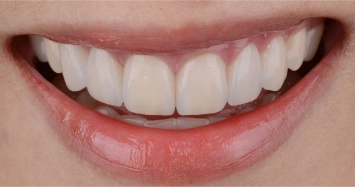
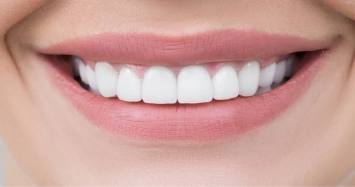

Cosmetic dentistry has changed more in the past fifteen years than it did in several decades before that. Patients used to arrive with a magazine photo, point to a smile they admired, and ask whether it could be copied. The answer was often a careful maybe. Materials were more limited, shade matching depended heavily on the dentist’s eye, and treatment plans could lean aggressive because there were fewer ways to achieve a refined result without removing substantial tooth structure.
That landscape is shifting. The future of cosmetic dentistry is not just brighter teeth and straighter smiles. It is more precise planning, more conservative treatment, more personalization, and, in the best cases, a better balance between beauty and biology. Patients can expect treatments that are easier to preview, easier to maintain, and often less invasive than what was common even a decade ago. They can also expect tougher decisions, because having more options does not always make the right path obvious.
A great cosmetic result has never been about making teeth look white and symmetrical in isolation. It is about how the smile fits the face, the lips, the age of the patient, the health of the gums, and the way the bite functions over time. That broader view is where the field is heading.
The move from guesswork to digital preview
One of the clearest changes patients will notice is how much more visual the planning process has become. In many modern practices, digital photography, intraoral scanning, and smile design software now allow a dentist to map out tooth proportions, gum display, midline position, and incisal edge length before any enamel is altered. That matters because cosmetic dentistry can be subjective. A smile that looks striking on a screen can feel too large or too bright once it is in a real face.
Digital previews do not eliminate subjectivity, but they improve communication. A patient can see a proposed direction early, respond to it, and fine tune preferences before treatment begins. In practical terms, that reduces surprises. It also prevents a common problem from earlier eras of cosmetic work, when a patient would say, after veneers were already bonded, “I wanted something softer than this.”
The next phase of this digital shift will likely be even more dynamic. Static mockups are useful, but smiles are not static. As software improves, patients can expect previews that better simulate speech, lip movement, and facial expression. That may sound cosmetic in the superficial sense, but it is actually deeply functional. Teeth that look ideal in a still photo can appear bulky during conversation. A digital plan that considers movement will lead to more natural outcomes.
Still, there is a trade-off. Screens can create false confidence. A rendering is not a final restoration, and biological limits always matter. Gum tissue heals in its own way. Light reflects differently off ceramic than off a monitor. An experienced dentist uses digital tools as planning aids, not promises.
Less drilling, more preservation
If there is one trend patients should hope continues, it is the steady move toward conservative treatment. In the past, many people with healthy but slightly uneven or discolored front teeth were steered toward full veneers or crowns because those were the most predictable esthetic tools available. They still have an important place, especially in cases involving severe wear, major discoloration, or shape problems that cannot be corrected conservatively. But the threshold for drilling healthy teeth is getting higher, and that is a good thing.
Modern bonding materials, improved whitening systems, and clearer aligner therapy now allow many cosmetic concerns to be treated in stages, often beginning with the least invasive option. A patient with mild crowding, for example, may first straighten the teeth with aligners, then whiten, then use small areas of edge bonding to refine shape. Twenty years ago, some of those same cases might have gone directly to porcelain.
This shift matters because enamel is valuable. Once it is removed, it does not grow back. Every time a tooth is prepared, a patient enters a long maintenance cycle. Veneers and crowns can last many years, sometimes well over a decade with proper care, but they are not permanent in the literal sense. They are permanent in that the tooth has been altered and will always need some form of restoration from that point on.
Patients can expect more dentists to frame cosmetic choices this way, not as a sales Cosmetic Dentistry pitch, but as a long term biological decision. The best future in cosmetic dentistry is not about doing more to teeth. It is about doing only what the case truly requires.
Materials are improving, and subtlety is becoming the luxury standard
There was a period when “Hollywood white” carried real appeal. Some patients still want that look, and if it suits them and they understand the maintenance and visual impact, that is their choice. But in many high quality practices, the trend is moving toward restorations that look like exceptional natural teeth rather than obvious cosmetic work.
That shift is possible because ceramic materials have improved dramatically. Today’s porcelains can mimic translucency, texture, fluorescence, and the soft variation in value seen in real enamel. Composite resins are better too. In the right hands, direct bonding can produce elegant, conservative results that were difficult to achieve consistently years ago.
A patient might not notice the technical details, but they will notice the effect. Future cosmetic dentistry is likely to look less manufactured. The edges of front teeth will not all be cut from the same visual template. Surface texture will matter more. Slight asymmetries, when they fit the face naturally, may be preserved rather than erased.
This is one area where patient expectations can clash with social media. Filters and heavily edited smile photos often flatten the nuance that makes a restoration believable. In real life, a beautiful smile is rarely uniform in every possible way. The most experienced cosmetic dentists often spend significant time doing work that no one is supposed to notice.
Orthodontics and cosmetic dentistry are becoming more intertwined
Clear aligner therapy has already changed the front end of many cosmetic treatment plans, and that integration will deepen. Straightening teeth before reshaping them makes cosmetic work more conservative, more precise, and usually more durable. It can also improve gum symmetry and reduce the need for aggressive preparation.
Consider a common example. A patient has one lateral incisor tucked slightly inward, mild lower crowding, and chipped front edges from years of uneven contact. If that patient goes straight to veneers, the restorations may need to be bulkier to compensate for the underlying tooth positions. If the teeth are aligned first, the veneers or bonding can be thinner and more natural. Sometimes they are no longer needed at all.
Patients should expect more interdisciplinary treatment planning, especially in complex cases. Cosmetic dentists, orthodontists, periodontists, and dental technicians increasingly collaborate rather than work in sequence without much coordination. That matters because the best esthetic result often depends on more than teeth alone. Gum levels, tooth position, bite forces, and lip support all influence the final outcome.
The downside is time. Patients who want immediate change may feel frustrated when the recommended plan begins with months of alignment or periodontal treatment. Yet those slower starts often produce better results and lower long term risk. Cosmetic dentistry is becoming more strategic, and strategy sometimes requires patience.
Gum aesthetics are finally getting the attention they deserve
When people think about a smile makeover, they usually focus on tooth color and shape. Dentists know that gums can be just as important. A beautiful veneer sitting against inflamed or uneven gum tissue will never look fully convincing. Future cosmetic dentistry will place even more emphasis on gingival architecture, especially as patients become more visually aware and treatment planning becomes more detailed.
Laser contouring, crown lengthening in carefully selected cases, soft tissue grafting, and improved periodontal maintenance are all part of this picture. The field is also getting better at recognizing when gum issues are driven by function, anatomy, or oral hygiene rather than esthetics alone. A patient who clenches heavily, brushes aggressively, or has naturally thin tissue may need a different plan than someone whose main issue is excess gum display.
This area is often underappreciated until a patient sees before and after photographs. A one millimeter change in gum height can alter the balance of a smile more than a dramatic whitening treatment. Patients can expect more conversations about gum health before cosmetic work begins, especially if veneers or bonding are being considered on the front teeth.
Whitening will become more personalized, and possibly more realistic
Teeth whitening remains one of the most requested Cosmetic Dentistry services because it is relatively accessible and often effective. But it is also one of the areas with the widest gap between advertising and reality. Future whitening protocols will likely be more individualized and, ideally, more transparent about their limits.
Not every stain responds the same way. Yellowing from age can often improve noticeably. Gray tones, medication related discoloration, and internal darkening after trauma are more complicated. Sensitivity varies widely, and overuse of whitening products can leave patients frustrated, sore, and disappointed.
What is improving is the ability to tailor whitening to the patient’s enamel, existing restorations, sensitivity history, and goals. A dentist may combine lower concentration take home whitening with desensitizing agents and staged follow up rather than pushing a one size fits all in office treatment. This is less glamorous than dramatic marketing copy, but it tends to produce steadier and more sustainable results.
Patients should also expect more honest conversations about the color ceiling. Teeth can be bright without being paper white. In real cosmetic practice, the best shade is often the one that looks healthy under daylight, office lighting, and indoor evening light, not just under the flash of a phone camera.
The lab technician remains central, even in a digital era
As digital workflows expand, some patients assume the process has become automated. It has not. Technology can improve speed and precision, but esthetic dentistry still depends heavily on human judgment, especially from skilled ceramists and dental technicians.
A good technician understands how light behaves in ceramic, how to layer translucency, how to shape line angles so teeth appear narrower or wider, and how to create individuality without chaos. These details rarely appear in marketing, yet they often determine whether a case looks lifelike or artificial.
In the coming years, patients may hear more about where their restorations are made and who is fabricating them. That is a positive development. The difference between a rushed cosmetic case and an excellent one often comes down to planning and craftsmanship rather than the brand of scanner in the operatory.
When patients evaluate a cosmetic dentist, one of the smartest questions they can ask is how the dentist works with the lab. Do they share detailed photographs? Do they review provisionals? Is there room for adjustment before final bonding? Those process details say a lot about the likely outcome.
Facially driven treatment will replace template smiles
One of the most encouraging developments in Cosmetic Dentistry is the move away from standard smile formulas. There was a period when many veneer cases seemed to chase the same look, broad arches, very bright shade selection, squared incisal edges, and near perfect uniformity. That can be attractive in some contexts, but it does not suit everyone.
Future treatment planning is increasingly facially driven. That means the smile is designed in relation to the patient’s features rather than against a generic esthetic ideal. A petite patient with soft facial contours may look best with rounded line angles and gentle incisal embrasures. An older patient may benefit from preserving a little warmth in shade and avoiding teeth that look too long or too glossy for the face. A patient with a strong lower lip line may need different incisal edge positioning than someone with minimal tooth show at rest.
This approach tends to produce work that ages better. Overly trendy cosmetic choices can look dated quickly. Natural proportion rarely does.
Access will improve, but cost will remain a real barrier
The future is not only about what becomes possible. It is also about who can realistically access it. Digital scanners, in house printing, better materials, and more efficient workflows may lower costs in certain parts of treatment. Whitening, aligners, and bonded procedures are already more available than highly customized porcelain cases. Even so, excellent cosmetic dentistry is labor intensive, and labor is expensive.
Patients should expect a wider spread between basic cosmetic services and premium cosmetic care. There will be more entry points, but also a clearer distinction between quick fixes and deeply personalized treatment. This is not necessarily bad, provided the differences are explained honestly.
The challenge is that cosmetic choices are often made under emotional pressure. A patient may be preparing for a wedding, returning to work after years away, or recovering confidence after dental trauma. In those moments, financing options and rapid promises can be very persuasive. The future of ethical cosmetic practice will depend on dentists helping patients separate urgency from good judgment.
A useful way to think about cost is not only the initial fee, but the lifetime cost. A lower priced treatment that fails early, stains badly, or requires repeated repair can become more expensive than a higher quality option delivered thoughtfully from the start.
Patients will need to become better consumers
As cosmetic dentistry grows, marketing grows with it. Some of it is informative. Some of it is little more than aesthetic theater. Patients in the coming years will have access to more options than ever, but they will also need sharper instincts.
A few practical questions can save a great deal of trouble:
- How much healthy tooth structure will be removed?
- Can this result be previewed before treatment is finalized?
- What maintenance should I expect over five to ten years?
- What are the alternatives if I choose a more conservative route?
- Who is a poor candidate for this treatment?
Those questions tend to shift the conversation away from glamour and toward substance. A trustworthy cosmetic dentist welcomes them.
One caution Cosmetic Dentistry from real clinical experience: when a consultation feels too easy, it sometimes is. Cases that look straightforward on social media often hide bite issues, grinding habits, gum problems, or old restorations that complicate treatment. A dentist who slows down to gather records, photographs, scans, and sometimes a bite analysis is usually not being difficult. They are protecting the result.
The healthiest future blends esthetics with function
There was a time when cosmetic dentistry and functional dentistry were spoken about almost as separate categories. In reality, they overlap constantly. Teeth that are beautifully shaped but poorly supported by the bite often chip, loosen, or strain the muscles. A balanced occlusion does not guarantee beauty, but beauty without function rarely lasts.
This is where some of the most important progress is happening. Better understanding of wear patterns, airway issues, parafunctional habits, and joint symptoms is influencing cosmetic planning. More dentists are asking whether edge chipping is just cosmetic damage or a sign of deeper instability. More patients are being fitted with protective night guards after veneers or bonding. More plans are being staged so function can be tested before final restorations are placed.
Patients may not always love hearing that a cosmetic concern has a functional layer. But when that layer is ignored, expensive repairs often follow. The future of the field depends on resisting the temptation to treat every smile concern as a surface issue.
What patients are likely to notice first
Some changes in cosmetic dentistry will remain behind the scenes, visible mainly to clinicians and technicians. Others will be obvious from the patient chair. Over the next several years, many patients will notice a few recurring themes in well run practices:
- More photography and scanning before treatment starts.
- More conservative first options, especially alignment, whitening, and bonding.
- More emphasis on gum health and bite stability.
- More realistic previews and temporary mockups.
- More discussion of maintenance rather than promises of permanence.
That last point matters. The strongest cosmetic dentists do not sell fantasy. They explain what ages well, what stains, what can chip, what may need replacement, and what habits threaten the result. Patients generally appreciate that candor, especially after they have seen enough dramatic before and after photos to know how little those images reveal about durability.
Where the field is headed, and what that means at the chairside
The future of cosmetic dentistry is not a single new device or a miracle material. It is a change in standard of care. Better data gathering, more precise communication, improved materials, and stronger respect for tooth preservation are raising expectations across the board. Patients can look forward to treatment that is more personalized and, in many cases, less invasive. They can also expect more nuanced consultations, because the best answer is not always the fastest or most dramatic one.
For someone considering cosmetic dental work, that is encouraging news. The odds of getting a result that looks natural, fits the face, and preserves healthy structure are better than they have ever been. But the patient still matters as much as the technology. Good outcomes depend on clear goals, realistic expectations, careful planning, and a dentist willing to say no when a request would compromise long term health.
Cosmetic dentistry at its best has never been about creating identical smiles. It is about restoring harmony, sometimes quietly, sometimes dramatically, in a way that respects the person behind the teeth. That is the future patients should expect, and the one worth waiting for.
Toothworks of Bakersfield, Dentist and Orthodontist
1030 H St #1, Bakersfield, CA 93304, United States
+1 661-323-9421
FAQ About Cosmetic Dentistry
Is bonding better than veneers?
Neither option is best for everyone. Composite bonding can address small chips, gaps, or shape concerns and is generally easier to repair. Porcelain veneers may offer greater resistance to staining and wear, but often require removal of some enamel. A dentist should assess your oral health, bite, goals, and budget before recommending treatment.
How long will dental bonding last?
Bonding commonly lasts about three to ten years before it needs repair or replacement, though this varies with the location and amount of bonding, your bite, and daily habits. Regular dental visits, good oral hygiene, and avoiding chewing hard objects can help protect it. Ask your dentist what lifespan is realistic for your particular treatment.
What are the risks of teeth whitening?
Whitening can cause temporary tooth sensitivity and gum irritation. Overuse or incorrect use may damage teeth or gums, and whitening does not change the color of existing crowns, veneers, or fillings. Have a dentist assess your teeth and gums, and follow the recommended product directions and treatment schedule.
❧