November 3, 2026
Cosmetic Dentistry vs General Dentistry: What Is the Difference?
By @travishaww678
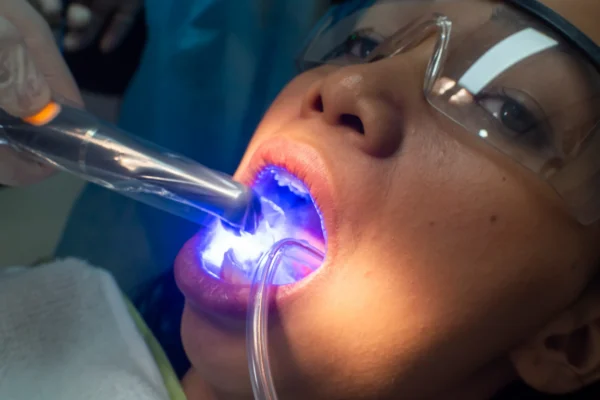
If you ask most patients why they need a dentist, the first answer is usually practical. A tooth hurts. A filling fell out. The gums bleed when brushing. If you ask why they want a dentist, the answer often shifts. They want a brighter smile, straighter front teeth, or a chipped edge repaired before a wedding, interview, or major life event.
That gap, between what is necessary and what is desired, sits at the heart of the difference between general dentistry and cosmetic dentistry. The two overlap more than many people realize, but they are not the same. One focuses primarily on oral health, disease prevention, diagnosis, and function. The other focuses primarily on the appearance of the teeth and smile, though the best cosmetic work still respects function, bite, and long-term health.
Patients often come in thinking these are separate worlds. They imagine the general dentist handles cavities while the cosmetic dentist handles veneers and whitening. Real life is less tidy. A single treatment plan may involve both perspectives. A worn, discolored tooth might need a crown for strength and also careful shade matching for appearance. A person with crowded teeth may want straighter teeth for looks, but alignment can also improve cleaning and reduce uneven wear.
Understanding the difference matters because it helps patients ask better questions, choose the right provider for the right problem, and avoid expensive disappointment. Not every dentist emphasizes cosmetic work. Not every cosmetic request is appropriate until underlying health issues are treated. And not every beautiful result is a healthy one.
The core role of general dentistry
General dentistry is the foundation of routine oral care. It is where prevention starts, where small issues are caught before they become costly, and where most people should spend the majority of their dental lives. Think of the general dentist as the primary care doctor of the mouth.
A general dentist typically handles exams, X-rays, cleanings, fillings, gum evaluations, sealants, night guards, root canal treatment in some cases, crowns, simple extractions, and referrals to specialists when the case goes beyond the scope of the practice. Their work is centered on keeping teeth, gums, jaw structures, and supporting tissues healthy and functional.
That may sound ordinary, but ordinary dentistry is often what saves patients from major treatment later. A routine exam can reveal a cracked filling before it fractures a tooth. A bite check can uncover grinding that is wearing enamel flat. Bleeding gums can point to inflammation that, if ignored, may progress into periodontal disease.
General dentistry also deals with pain, infection, and disease management. If someone has swelling from an abscess, decay under an old crown, sensitivity from exposed root surfaces, or a broken molar that makes chewing difficult, those are classic general dentistry problems. Appearance may still matter, of course, but restoring comfort and health comes first.
In well-run practices, general dental care is not just reactive. It is preventive and strategic. The dentist monitors changes over time, compares radiographs, tracks gum measurements, and watches how old dental work is aging. A patient might feel perfectly fine and still have a developing problem that only a trained eye will catch.
What cosmetic dentistry is really about
Cosmetic dentistry is focused on improving the look of the teeth, gums, and overall smile. The common goals are whiter teeth, better shape, improved symmetry, reduced spacing, smoother edges, and a more balanced smile line. Cosmetic procedures may be subtle or dramatic, depending on the starting point and the patient's expectations.
The term Cosmetic Dentistry covers a range of treatments. Teeth whitening is the simplest and most familiar. Bonding can reshape small chips or close minor gaps. Veneers can change color, contour, and proportion. Clear aligners may straighten teeth with a strong aesthetic component. Gum contouring can alter the frame around the teeth. In more advanced cases, full smile makeovers combine several procedures.
What separates cosmetic work from ordinary restorative dentistry is the primary objective. If a tooth needs a filling because it has decay, that is general dentistry, even if the dentist uses a tooth-colored material and places it beautifully. If the tooth is healthy but the patient wants the shape altered or the color enhanced, that enters cosmetic territory.
The best cosmetic dentists are not just technicians with a shade guide. They understand facial proportions, lip dynamics, translucency, texture, bite relationships, and the way light interacts with enamel. They know that a smile that looks striking on a screen may look artificial in person if the teeth are too opaque, too uniform, or too large for the face.
This is one reason patients sometimes underestimate the skill involved. Good cosmetic dentistry often looks invisible. People notice that a smile looks healthy, fresh, and natural, not that it looks "done."
Health first, aesthetics second, but not always separate
One of the biggest misconceptions is that cosmetic dentistry is superficial while general dentistry is serious. That framing is too simplistic. Appearance affects confidence, social ease, and quality of life. A patient who hides their smile, covers their mouth while speaking, or avoids photographs because of damaged front teeth is dealing with a real burden.
At the same time, cosmetic work should not ignore biology. Whitening a mouth full of untreated cavities is poor planning. Veneers placed on teeth with active gum disease create problems, not solutions. Straightening teeth without considering bite function can leave a patient looking better but chewing worse.
Experienced clinicians tend to work from the inside out. They make sure the mouth is healthy enough to support aesthetic changes. If the gums are inflamed, that is addressed first. If there is decay, infection, or unstable old dental work, that is stabilized. Only then does the cosmetic phase make sense.
That sequence is not a sales strategy. It is the difference between a result that lasts and a result that starts failing early.
Where the two overlap in everyday practice
The overlap between cosmetic dentistry and general dentistry is substantial. A crown on a front tooth is a good example. From a general dentistry standpoint, the goal may be to protect a weakened tooth. From a cosmetic standpoint, the crown has to blend with adjacent teeth in color, shape, translucency, and surface texture. If it functions well but looks flat and gray, the case is not truly successful.
Tooth-colored fillings are another example. They are routine in general practice, but placing them well requires an aesthetic eye, especially on visible teeth. The difference between a filling that merely seals a cavity and one that disappears into the natural tooth can be dramatic.
Orthodontic treatment also sits in both camps. Adults often seek clear aligners because they want a straighter smile, but moving teeth can also improve bite distribution, reduce areas that trap plaque, and create healthier spacing for restorations. Even whitening, which is clearly cosmetic, may be recommended after a patient completes restorative work so the final shade is coordinated across the mouth.
This is why labels only take you so far. The more useful question is not, "Is this cosmetic or general?" It is, "What is the main goal here, what is medically necessary, and who has the right training and judgment to do it well?"
Common treatments, and how they are usually classified
Here is a practical way to think about the distinction. Many treatments live on a spectrum rather than in a single box.
| Treatment | Usually considered | Main purpose | |---|---|---| | Exam, cleaning, X-rays | General dentistry | Prevention, diagnosis, maintenance | | Fillings for decay | General dentistry | Restore health and function | | Crowns for damaged teeth | General dentistry with cosmetic elements | Strength, protection, appearance | | Teeth whitening | Cosmetic dentistry | Improve color | | Veneers | Cosmetic dentistry | Change shape, shade, symmetry | | Bonding for chips or gaps | Cosmetic dentistry, sometimes restorative | Improve appearance, minor repair | | Clear aligners | Both | Alignment, aesthetics, bite improvement | | Gum disease treatment | General dentistry or periodontics | Restore gum health |
What matters most is not the label itself, but the intention, complexity, and execution.
Training, skill, and why the title can be misleading
A point that often surprises patients is that "cosmetic dentist" is not always a formally recognized specialty title in the same way orthodontist or periodontist is. Any licensed dentist may offer cosmetic procedures, but that does not mean every dentist has the same level of experience, artistic judgment, or continuing education in aesthetic cases.
General dentists vary widely in what they do well. Some practices focus almost entirely on preventive care and straightforward restorations. Others build a large portion of their work around veneers, smile design, whitening, and cosmetic rehabilitation. Two dentists may both call themselves general dentists while offering very different levels of cosmetic expertise.
That is why patients should look beyond marketing language. Before-and-after photos help, but only if the cases resemble your own and the images are consistent and believable. Ask how often the dentist performs the procedure you are considering. Ask what happens if the result needs adjustment. Ask whether mock-ups, wax-ups, digital previews, or temporary prototypes are part of the planning process. For cosmetic work, planning is not a luxury. It is where many good outcomes are won or lost.
A front tooth veneer case, for instance, demands a different level of nuance than routine whitening. Matching a single central incisor so it harmonizes with the other front teeth is one of the hardest tasks in dentistry. A dentist who does this work regularly usually speaks about texture, incisal translucency, phonetics, gum architecture, and laboratory communication in a way that reveals real experience.
Cost is different, and so is insurance coverage
One practical distinction between general and cosmetic dentistry is financial. General dental treatment is more likely to be covered, at least in part, by dental insurance if it is considered medically necessary. Exams, cleanings, fillings, and many crowns fall into that category depending on the plan. Cosmetic procedures, especially those performed solely to improve appearance, are often paid out of pocket.
This difference shapes patient decisions more than clinics sometimes admit. A person may genuinely want veneers but choose whitening and bonding because the budget is tighter. Another patient may replace an old front crown not because it is failing structurally, but because the color no longer matches nearby teeth after years of natural changes. Insurance may not support that choice, even if the patient finds the mismatch deeply bothersome.
Costs also vary based on materials, lab quality, chair time, and case complexity. A well-made veneer case from a dentist who uses a high-level ceramist, takes careful photos, and spends time on bite adjustment is not priced like a quick whitening appointment. There is a reason for that. Aesthetic work that is visible every time you smile leaves very little room for "good enough."
Cheaper cosmetic work can become expensive twice. Patients who chase the lowest fee often end up paying again for replacement, repair, or correction. This does not mean the highest-priced option is automatically best, but bargain cosmetic dentistry is a place where many people learn the hard way that value and cost are not the same.
Longevity matters more than the first week result
One of the most important differences between sound dental care and flashy dental care is what happens six months, five years, and ten years later. General dentistry tends to be judged on durability, function, and disease control. Cosmetic dentistry should be judged the same way, even when the initial focus is visual.
Whitening fades and often needs maintenance. Bonding can stain or chip, especially in people who bite pens, chew ice, or grind. Veneers can last many years, but they are not permanent in the sense many ads imply. They may eventually need replacement, and replacement is usually more involved than the original treatment. Gum recession can change the look of front teeth over time, revealing margins that once looked perfect.
A responsible cosmetic dentist talks about maintenance early, not after the patient is already committed. They explain what habits shorten the life of the work. They discuss retainers after aligner treatment, night guards for grinders, hygiene around crown margins, and realistic expectations for whitening stability if the patient drinks coffee or red wine daily.
If those conversations are missing, that is a warning sign.
How to know which kind of dentist you need
Most patients do not need to choose one category forever. They need to choose the right kind of visit for the problem at hand. If you are overdue for cleanings, have tooth pain, see swollen gums, or suspect decay, start with general dental care. If your mouth is healthy but you dislike the color, spacing, size, or shape of your teeth, a cosmetic consultation makes sense.
Often, the smartest path is sequential. A patient might begin with a comprehensive exam and hygiene visit, complete any restorative treatment, then move into whitening or veneers. That order protects both your health and your investment.
A few questions can help clarify the path:
- Is there pain, decay, infection, gum disease, or broken dental work that needs treatment first?
- Is the main concern function, appearance, or both?
- Does the dentist show strong experience with the specific cosmetic procedure you want?
- Has the long-term maintenance of the result been discussed clearly?
- Are you being offered conservative options before irreversible ones?
That last point deserves emphasis. Conservative options matter. If whitening and bonding can achieve the patient's goal, that may be preferable to aggressively preparing healthy teeth for veneers. There are cases where veneers are an excellent solution, but irreversible treatment should be chosen with care, not because it photographs well on social media.
The emotional side of smile treatment
Dentistry is technical, but cosmetic decisions are rarely purely technical. A patient may be objectively healthy and still deeply unhappy with their smile. Another may have significant wear and color changes yet feel no urgency to alter anything. Neither reaction is wrong. Smile treatment sits close to identity, self-image, and personal taste.
That is one reason consultation style matters so much in cosmetic dentistry. Some patients want subtle refinement. Others want a brighter, more uniform look. Problems start when the dentist imposes a signature style instead of listening. Teeth that look "perfect" on one face can look generic on another. Small asymmetries are often part of what makes a smile believable and attractive.
General dentistry conversations are usually more straightforward. You have decay, it should be restored. Your gums are inflamed, we should treat that. Cosmetic conversations require more interpretation. What bothers the patient? What do they notice first in the mirror? What would count as a successful result? A dentist who rushes through those questions may miss the mark even with technically competent work.
I have seen patients thrilled by tiny changes, a smoothed chip, slightly brighter enamel, a single discolored bonding replaced with a better color match. I have also seen patients pursue extensive dentistry when what they really needed was minor alignment and whitening. Bigger treatment is not always better treatment.
Red flags when considering cosmetic work
Not every smile makeover is well planned. Some warning signs appear early if you know what to look for.
- You are offered cosmetic treatment without a full exam, X-rays, or gum assessment.
- The discussion centers on speed and appearance only, with little mention of bite, function, or maintenance.
- The dentist pushes one solution for every case, especially irreversible treatment.
- Before-and-after photos look heavily edited, inconsistent, or too uniform to be credible.
- Your questions about longevity, repairs, or alternatives are brushed aside.
Patients do not need to become dental experts, but they should feel that the clinician is thinking beyond the first impression.
Why the best dentistry often blends both disciplines
The cleanest distinction is this: general dentistry protects and restores oral Cosmetic Dentistry health, while cosmetic dentistry improves appearance. The reality in a good practice is more integrated. Health, function, and aesthetics influence one another constantly.
A patient with worn lower front teeth may need a functional solution to stop further damage, but they also deserve a result that looks natural when they speak. A patient replacing old metal fillings in visible teeth may partly be treating leakage and partly improving appearance. A patient considering veneers may first need bite stabilization, gum treatment, or orthodontic movement to make the final cosmetic phase more conservative.
The best dentists, whether they identify strongly with general care or with Cosmetic Dentistry, know when to shift between those lenses. They treat disease carefully. They preserve tooth structure where possible. They respect facial aesthetics. They understand that a beautiful smile that chips, traps plaque, or causes jaw strain is not truly successful. And they know that a technically sound restoration that looks crude in the middle of a smile line falls short in another way.
For patients, that means the choice is not simply between one type of dentist and another. It is about finding a clinician who can diagnose accurately, explain trade-offs honestly, and match the treatment to your goals without ignoring your long-term oral health.
If your teeth are healthy and you want them to look better, cosmetic treatment may be the right step. If your mouth is not yet stable, general dental care comes first. Most lasting smile improvements begin there anyway, with clean teeth, healthy gums, a stable bite, and a treatment plan that values durability as much as appearance.
That is the real difference, and also the real connection. General dentistry keeps the mouth healthy enough to function well. Cosmetic dentistry refines how that healthy mouth looks. When they are done thoughtfully, one supports the other.
Toothworks of Bakersfield, Dentist and Orthodontist
1030 H St #1, Bakersfield, CA 93304, United States
+1 661-323-9421
FAQ About Cosmetic Dentistry
Is bonding better than veneers?
Neither option is best for everyone. Composite bonding can address small chips, gaps, or shape concerns and is generally easier to repair. Porcelain veneers may offer greater resistance to staining and wear, but often require removal of some enamel. A dentist should assess your oral health, bite, goals, and budget before recommending treatment.
How long will dental bonding last?
Bonding commonly lasts about three to ten years before it needs repair or replacement, though this varies with the location and amount of bonding, your bite, and daily habits. Regular dental visits, good oral hygiene, and avoiding chewing hard objects can help protect it. Ask your dentist what lifespan is realistic for your particular treatment.
What are the risks of teeth whitening?
Whitening can cause temporary tooth sensitivity and gum irritation. Overuse or incorrect use may damage teeth or gums, and whitening does not change the color of existing crowns, veneers, or fillings. Have a dentist assess your teeth and gums, and follow the recommended product directions and treatment schedule.
❧