November 3, 2026
Cosmetic Dentistry for Teens: When Is the Right Time?
By @travishaww678
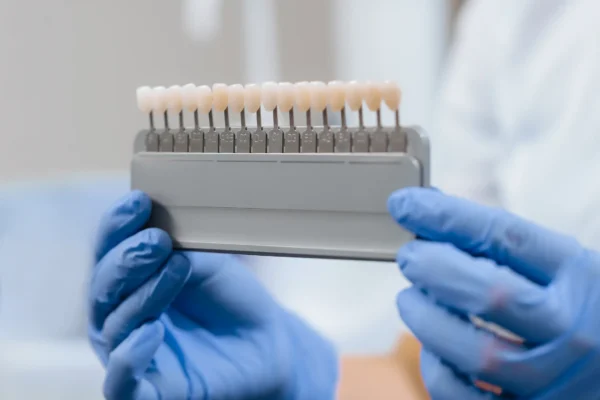
For many families, the first question is not whether a teenager wants a better smile. It is whether acting on that wish now makes sense, or whether waiting would be smarter, safer, and more cost-effective. That distinction matters. Cosmetic dentistry can be helpful and appropriate for teens in the right circumstances, but timing is everything. Teeth, gums, jaws, habits, and emotional maturity all influence whether a cosmetic treatment will serve a teenager well or create new problems that could have been avoided.
Parents often arrive at this conversation after braces are finished, school photos are coming up, or a teen has become noticeably self-conscious. Sometimes the concern is small, such as white spots left after orthodontic treatment. Sometimes it is more visible, such as a chipped front tooth from sports, a gap between the upper incisors, or irregular enamel shape that makes a child look younger than they feel. The desire to fix these issues is understandable. A smile sits at the center of social life in adolescence, and teens are acutely aware of appearance in a way that can seem sudden and intense.
Still, cosmetic decisions for teenagers deserve more caution than similar decisions for adults. The best answer is rarely a blanket yes or no. It is usually, “It depends on what we are trying to correct, whether growth is complete, and whether the treatment protects long-term oral health.”
What “cosmetic dentistry” means for teenagers
When adults hear the phrase cosmetic dentistry, they often think of veneers, whitening, or celebrity smile makeovers. For teens, the category is broader and usually more conservative. Cosmetic treatment may include bonding a chipped tooth, recontouring uneven edges, whitening after orthodontics, replacing a missing tooth temporarily, or managing enamel discoloration. Orthodontics can also overlap with cosmetic dentistry when the goal is to improve alignment and appearance, though braces and clear aligners are also functional treatments.
The important point is that cosmetic does not mean frivolous. A small repair can dramatically change a teenager’s comfort in social settings. I have seen teens who stopped smiling in photos after a bicycle accident chipped a front tooth, then relaxed within minutes once the tooth was rebuilt with bonding. The treatment itself was modest. The emotional effect was not.
At the same time, cosmetic does not mean harmless. Even a treatment that looks simple may affect tooth structure, sensitivity, maintenance needs, or future options. That is why the right time depends less on age alone and more on biological development and treatment choice.
The biggest timing issue: growth is not finished
This is the factor families underestimate most often. Teenagers may look nearly grown, but their jaws and facial structures can still be developing. Teeth continue erupting into subtle changes in the bite, gum levels may shift, and the relationship between the upper and lower jaws can evolve through the mid to late teen years. This matters because many cosmetic treatments are designed around stable anatomy.
Take veneers as an example. A veneer placed too early may look acceptable for a while, but if gum tissue matures and tooth position changes, the margin can become visible or uneven. A restoration that looked perfect at 15 might need replacement far earlier than expected. The same logic applies to crowns, implants, and some forms of extensive aesthetic work. Implants are especially sensitive to timing because they do not move with the natural eruption and growth of surrounding teeth. If an implant is placed before growth is complete, it can end up looking shorter or out of line over time as neighboring teeth continue to erupt slightly.
This is why many definitive cosmetic procedures are delayed until late adolescence or early adulthood. Girls often complete facial growth earlier than boys, but there is enough variation that no responsible dentist should rely on age alone. Growth assessment, bite evaluation, and full records matter.
Cases where earlier treatment makes good sense
Not every cosmetic concern should wait. In fact, some of the most successful cosmetic dentistry for teens happens earlier precisely because the treatment is conservative and protective.
Bonding is a common example. If a teen chips an incisor during basketball, a careful composite repair can restore shape in a single visit while preserving most of the natural tooth. It is cosmetic, but it is also functional and psychologically beneficial. The same is true for closing a small black triangle after orthodontics, smoothing rough enamel edges, or reshaping a peg lateral incisor, which is a naturally undersized upper side tooth. These are targeted, relatively low-risk treatments that can usually be revised as the teen matures.
Whitening may also be appropriate in selected cases, though this requires judgment. A teen who has completed orthodontic treatment and has persistent discoloration from plaque retention, fluorosis, or developmental enamel changes may be a candidate for supervised whitening or microabrasion. The key words are supervised and selected. Over-the-counter products, social media trends, and aggressive bleaching are a poor substitute for diagnosis. Some stains respond beautifully. Others do not, and repeated whitening can create sensitivity without solving the underlying issue.
Temporary cosmetic solutions can also be valuable. A teenager born with a missing lateral incisor, for instance, may need an interim option that looks good and preserves space until growth is complete and a final restoration becomes possible. That might involve orthodontics, bonding, or a provisional appliance rather than an immediate permanent fix.
Cases where waiting is usually wiser
Some treatments almost always benefit from patience. Porcelain veneers on otherwise healthy young teeth deserve serious scrutiny. The appeal is obvious: they can change color, shape, and symmetry all at once. But veneers require planning for a lifetime of maintenance, possible replacement, and some degree of irreversible alteration to the tooth, even in conservative cases. A teenager with healthy enamel and minor imperfections usually has better first-line options.
Dental implants are another major area where waiting is often essential. If a teen loses a front tooth in an accident, the pressure to “replace it permanently” can be intense. Yet placing an implant before skeletal growth is complete can create long-term cosmetic problems that are difficult to correct later. Temporary solutions can bridge that gap more safely.
Even whitening, which seems simple, should sometimes be postponed. If a teen has active cavities, poor oral hygiene, or untreated gum inflammation, appearance should not come before disease control. Whitening teeth that are accumulating plaque or decalcification after braces misses the larger issue and can even draw more attention to uneven enamel.
Emotional readiness matters more than many adults expect
Teen years are emotionally loaded. Appearance carries social weight, and teenagers are often comparing themselves to edited images and highly filtered smiles. That does not mean their concerns are trivial. It does mean treatment decisions should separate a specific dental concern from broader appearance anxiety.
A healthy question in consultation is, “What exactly bothers you when you look at your smile?” A teen who points clearly to one chipped corner or one dark spot after braces may be an excellent candidate for limited treatment. A teen who wants “perfect teeth” but cannot define the problem may need a more careful conversation. Dentistry can improve smiles, but it should not promise to solve self-esteem in a sweeping way.
Parental involvement also shapes outcomes. The best results tend to happen when the parent supports the teen without imposing a cosmetic agenda. Trouble starts when a parent wants a makeover that the teen does not want, or when a teen demands a high-maintenance treatment but has not shown the responsibility to care for it. Cosmetic work requires upkeep. If a teen routinely breaks retainers, skips hygiene, or ignores dietary guidance, a more durable and reversible option is usually the better path.
Orthodontics often changes the answer
Many cosmetic concerns in teenagers are not truly cosmetic in the narrow sense. They are orthodontic, or they are partly orthodontic. A gap may close with braces or aligners. A rotated tooth that looks too small may seem normal once it is properly positioned. Uneven gum levels can become more obvious or less obvious depending on how teeth move. For that reason, timing cosmetic treatment around orthodontics is crucial.
It is common to see families request bonding before braces, when the more sensible sequence is to align the teeth first and refine aesthetics afterward. The same is true after braces come off. There is often a short period when the enamel needs remineralization support, the bite is settling, and the patient is adapting to retainers. Rushing into cosmetic changes on the same day the brackets are removed is not always ideal.
A coordinated plan between the orthodontist and restorative dentist usually produces the best outcome. This does not require a complicated treatment map in every case, but it does require communication. Even a small bonding case benefits when the dentist knows how the teeth were positioned and whether any final movement is expected.
The treatments most often considered for teens
Some cosmetic options are better suited to adolescents because they preserve natural tooth structure and allow future adjustment. Others are best reserved for later.
Here are the options Cosmetic Dentistry that come up most often in real practice:
- Composite bonding, for chips, shape irregularities, small gaps, and undersized teeth, is often teen-friendly because it is conservative and repairable.
- Enamel recontouring, when done minimally, can refine uneven edges or small shape differences without major intervention.
- Professional whitening or microabrasion may help selected teens with post-orthodontic staining or superficial discoloration, if the teeth and gums are healthy.
- Orthodontic treatment remains one of the most powerful ways to improve smile appearance while also improving bite and function.
- Veneers, crowns, and implants are generally approached more cautiously and often deferred until growth and gum levels are stable.
Even within those categories, nuance matters. Bonding on a teen who grinds their teeth heavily may chip and need maintenance. Whitening on teeth with developmental defects may improve the appearance only partially. Orthodontics may straighten teeth beautifully but reveal color differences that were hidden before. Cosmetic dentistry is rarely one-size-fits-all.
What a careful evaluation should include
When families ask, “Is now the right time?” the answer should come after a proper assessment, not after a quick glance at a photo. Good cosmetic planning for teens includes oral health, growth, function, and habits.
A thoughtful consultation usually looks at:
- Whether the gums are healthy and the teeth are free from untreated decay.
- Whether facial and jaw growth appear complete, especially if permanent restorations are being considered.
- Whether the bite is stable or still changing, including whether orthodontic treatment is ongoing or likely.
- Whether the teen understands maintenance, limitations, and the need for future revisions.
- Whether the cosmetic concern is specific and realistic, rather than driven by pressure or vague dissatisfaction.
Those five points may sound basic, but they prevent many poor decisions. I have seen beautifully aligned teenage teeth damaged by aggressive cosmetic plans that ignored enamel health. I have also seen modest, well-timed improvements change a teen’s confidence without compromising future options. The difference usually lies in diagnosis and restraint.
Whitening deserves its own caution
If there is one treatment families tend to underestimate, it is whitening. Because whitening products are sold everywhere, it is easy to assume they are universally appropriate. They are not.
Teen enamel can be sensitive, especially after orthodontic treatment. White spot lesions, common after braces when hygiene has been inconsistent, do not always blend nicely with whitening. Sometimes the surrounding enamel brightens while the white spots remain visible, making the contrast worse before it gets better. In those cases, remineralization strategies, resin infiltration, or microabrasion may be better starting points than bleaching alone.
Another issue is expectations. Teens may see very bright, opaque smiles online and assume that level of whiteness is both normal and achievable. Natural teeth vary. Some have warmer tones that are healthy and attractive. Chasing an unnaturally pale shade can lead to repeated whitening, irritation, and disappointment.
Supervised treatment is not just a matter of safety. It is a matter of matching the treatment to the type of stain. Extrinsic staining from foods or braces hygiene differs from intrinsic discoloration caused by trauma, fluorosis, or enamel development. A dentist who identifies the cause can prevent a lot of wasted effort.
Trauma changes the timeline
One area where timing becomes more urgent is dental trauma. Teens are active, and front-tooth injuries are common in sports, skateboarding, biking, and simple accidents around school. When a front tooth is chipped, cracked, discolored, or lost, cosmetic concerns merge with functional and biological ones.
A recently traumatized tooth may not be ready for final cosmetic treatment right away. Color can change over time. Nerve health may be uncertain for weeks or months. The tooth may need monitoring before definitive restoration. Parents often want an immediate permanent solution, especially when the injury affects appearance, but temporary or staged care is frequently the wiser route.
This can be frustrating in the moment. Still, staged treatment protects options. A quick cosmetic fix without regard for pulp health, root development, or bite forces can lead to a poor long-term result. In trauma cases, the right time for cosmetic dentistry may be later than the right time for emergency stabilization.
Social pressure is real, but it should not set the schedule
Adolescence is a season of school dances, sports banquets, graduation portraits, and constant cameras. It is tempting to schedule cosmetic dentistry around these events, and sometimes that is reasonable. A small bonding repair before senior photos is practical. But major treatment should not be rushed simply because a social milestone is approaching.
The wrong timeline often starts with urgency: prom is in six weeks, braces are off next month, college starts in August. Cosmetic dentistry done under deadline pressure can ignore bite issues, healing time, or the possibility that a teen needs to live with a temporary result before committing to a permanent one. A rushed veneer case or premature implant is far more costly to correct than a delayed photo opportunity.
That said, timing can still be compassionate. If a simple, reversible improvement can help a teen move through an important season with more confidence, that has value. The key is matching the intervention to the urgency. Reversible and conservative for now, definitive later, is often the best sequence.
Questions parents should ask before saying yes
A useful consultation often turns on a handful of direct questions. What problem are we treating, exactly? Is this the most conservative option? What changes might happen as growth continues? If we do this now, what future maintenance should we expect? Is there a temporary solution that preserves better long-term choices?
When a dentist answers those questions clearly, families can usually sense whether the plan is grounded. Good cosmetic care for teens tends to sound measured rather than flashy. It acknowledges uncertainty where it exists. It explains trade-offs. It does not sell perfection.
Parents should also ask to see similar cases, especially when the proposed treatment is more involved. Not to chase idealized before-and-after photos, but to understand what is realistic for someone the same age with similar enamel, bite, and gum condition. A trustworthy dentist will discuss limits as openly as benefits.
The right time is often “not yet, but soon enough”
This is the answer many families find hardest to hear and most useful in the long run. A teenager may be ready for selective cosmetic improvements now, while not yet being a candidate for the final version of treatment. That middle ground is not a compromise in the negative sense. It is often the most skillful plan.
A chipped edge can be bonded now and refined later. A missing tooth can be managed temporarily until growth is complete. Staining can be improved conservatively while preserving enamel. Teeth can be aligned first, then reshaped thoughtfully. These staged approaches respect both the urgency of teenage self-consciousness and the biology of a growing mouth.
A sound rule for families
If the treatment is Cosmetic Dentistry conservative, reversible, and protective of natural tooth structure, there is often more flexibility in timing. If the treatment is permanent, invasive, or dependent on fully completed growth, caution should increase. That one principle resolves many of the gray areas.
Cosmetic dentistry for teens is not about denying young people the chance to feel good about their smiles. It is about choosing the right intervention at the right moment, for the right reason. Some teens truly benefit from treatment now. Others benefit more from waiting while using temporary or minimal options in the meantime. The best outcomes come from dentists who can tell the difference and families who are willing to value long-term health as highly as short-term appearance.
A teenager gets one set of natural permanent teeth. Cosmetic improvements should help them carry those teeth confidently into adulthood, not force them into a lifetime of unnecessary repairs before they are out of high school. That is the standard worth keeping.
Toothworks of Bakersfield, Dentist and Orthodontist
1030 H St #1, Bakersfield, CA 93304, United States
+1 661-323-9421
FAQ About Cosmetic Dentistry
Is bonding better than veneers?
Neither option is best for everyone. Composite bonding can address small chips, gaps, or shape concerns and is generally easier to repair. Porcelain veneers may offer greater resistance to staining and wear, but often require removal of some enamel. A dentist should assess your oral health, bite, goals, and budget before recommending treatment.
How long will dental bonding last?
Bonding commonly lasts about three to ten years before it needs repair or replacement, though this varies with the location and amount of bonding, your bite, and daily habits. Regular dental visits, good oral hygiene, and avoiding chewing hard objects can help protect it. Ask your dentist what lifespan is realistic for your particular treatment.
What are the risks of teeth whitening?
Whitening can cause temporary tooth sensitivity and gum irritation. Overuse or incorrect use may damage teeth or gums, and whitening does not change the color of existing crowns, veneers, or fillings. Have a dentist assess your teeth and gums, and follow the recommended product directions and treatment schedule.
❧